
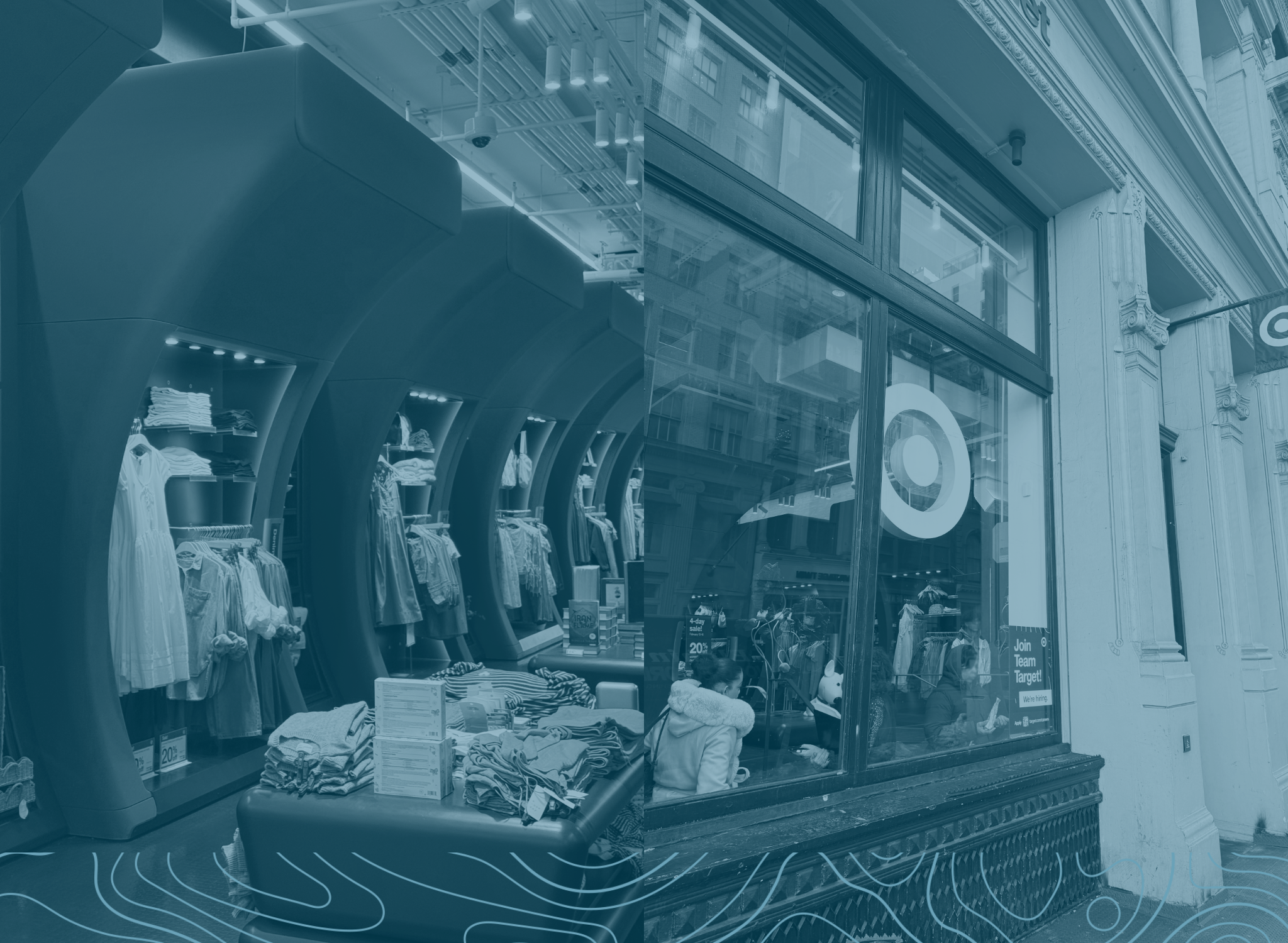
When Target redesigned its SoHo store at 600 Broadway into a one-of-a-kind concept location, they went beyond a cosmetic refresh. The remodel was a strategic signal. In a neighborhood synonymous with fashion credibility and cultural influence, Target chose to reimagine a convenience-focused store into an immersive, style-led experience. The move reflects more than aesthetic ambition. It reveals how leading brands use space, assortment, and experience design to shape perception, test behaviors, and catalyze transformation at scale.
For leaders navigating growth in shifting markets, the SoHo remodel offers a case study in human-centered strategy in action.

The redesigned SoHo store pivots away from toiletries and grab-and-go basics and toward apparel, beauty, home, and limited-time collaborations. Operated as a concept store where “everyday shopping meets play, discovery and style,” the space is structured around curated edits, seasonal drops, and rotating experiences.
Phase 1 wrapped in late 2025, with continued activations, experiential zones, and café/event programming planned through 2026 and beyond. Target leaders positioned SoHo as “the perfect stage” to demonstrate that style and design are central to the brand’s next chapter, especially in a global fashion capital.
From a behavior design lens, identity is cumulative. Retail environments cue how customers interpret a brand’s values and relevance. Shoppers see a brand differently when they enter a space curated around style authority and creative collaboration. This environment becomes part of the narrative of who the company is becoming, and an homage to Target’s innovative past.
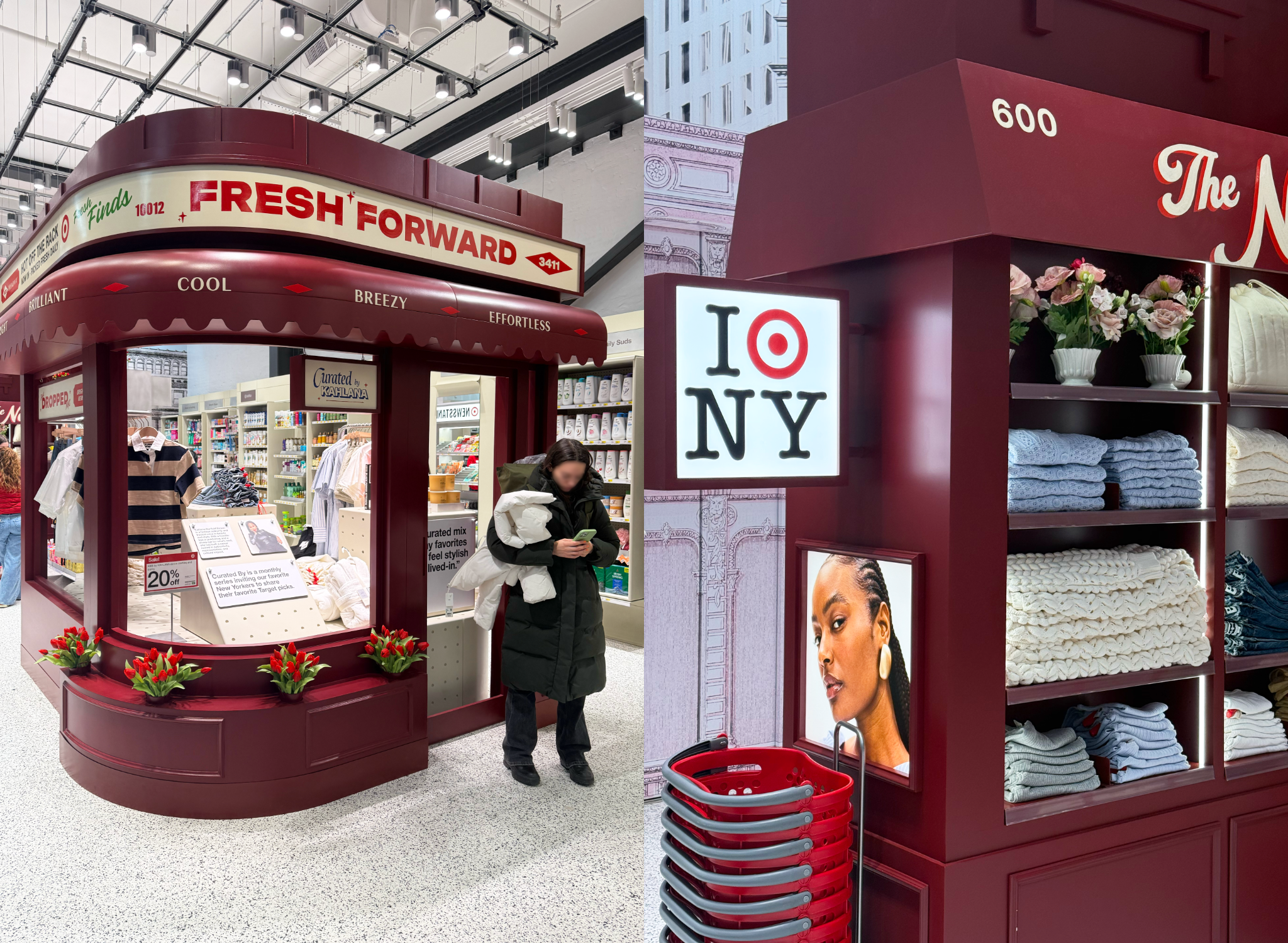
The SoHo concept store is structured around curated inspiration and newness. Features like “Curated By” seasonal edits with New York tastemakers (launching with comedian Megan Stalter), “The Drop @ Target SoHo” monthly rotating collections, and the Broadway Beauty Bar curated by makeup artist Katie Jane Hughes are intentional mechanisms for repeat exploration.
Add to that Instagram-ready touchpoints such as the “Gifting Gondola” and “Selfie Checkout,” and the strategy becomes clear: engineer shareable moments that extend the in-store experience into digital ecosystems.
Retail research increasingly points to shoppers valuing curated discovery and fresh assortments as drivers of engagement and frequency. The SoHo store leans into browsing, surprise, and limited-time experiences as strategic growth levers.
Discovery here is designed with intent. Each rotating drop and influencer collaboration introduces temporal relevance, encouraging return visits and reinforcing the store as a dynamic environment rather than a static footprint. From a service design perspective, the space functions as a living system — responsive, iterative, and behavior-informed.
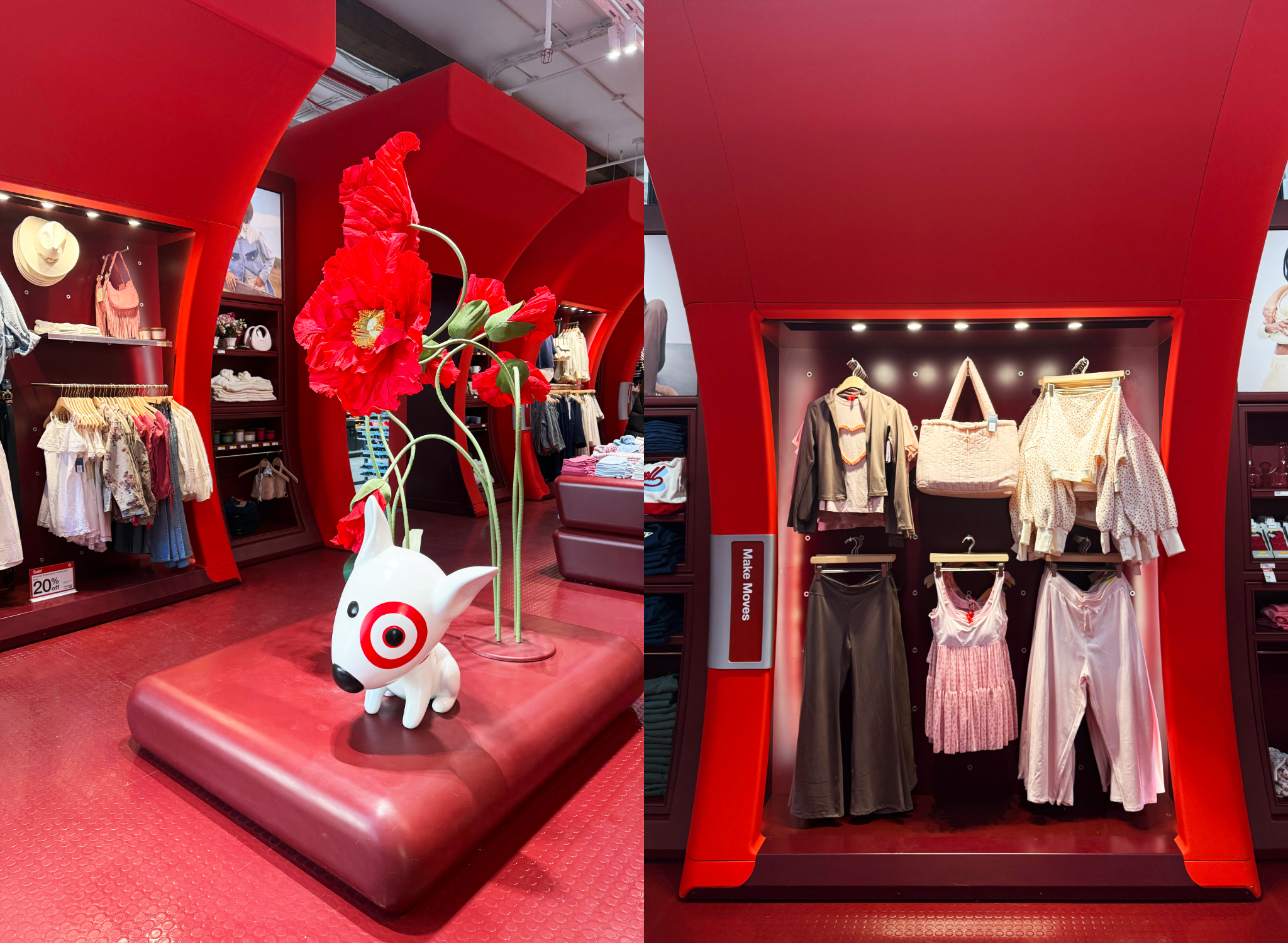
Target’s incoming CEO connected the SoHo concept to a broader effort to reestablish merchandising authority and support a turnaround following declining sales and comps. Executives have described the location as both a brand statement and a live lab for a more design-oriented future.
This dual purpose is where the strategy becomes particularly sophisticated.
The store is designed to evolve frequently. That flexibility allows Target to test how urban, fashion-oriented consumers respond to different presentations, collaborations, and assortments — then translate learnings across the wider chain. The remodel aligns with broader initiatives, including doubling new holiday items and relaunching @TargetStyle to emphasize design and exclusivity.
SoHo operates as both signal and system. It signals aspiration to consumers while functioning as a rapid prototyping environment for the enterprise. This is agile methodology applied to physical retail: test, learn, adapt.
Target’s SoHo remodel illustrates how environment, behavior design, and strategic intent can converge in one space. It shows how a store can operate simultaneously as brand theater, discovery engine, and organizational learning platform.
For growth leaders, the lesson is not about copying rotating drops or adding selfie stations. It is about clarity of intent. When you understand the identity shift you’re driving, the behaviors you want to unlock, and the signals your market needs to see, design becomes a lever for transformation.
And when trust has been tested — as it has for many brands in today’s cultural climate — experience innovation must be paired with consistency, transparency, and operational follow-through. Physical spaces can communicate ambition. Sustained credibility comes from alignment between what a brand says, what it designs, and how it behaves over time.
Change is complex. Thoughtful, human-centered strategy makes it navigable. The SoHo concept store is a reminder that even a single location, when treated as a live lab, can accelerate innovation and clarify a brand’s next chapter.